Aging is an inevitable journey, but how our skin reflects that journey is often up to us. In the sprawling world of skincare, anti-aging ingredients act as the “soul” of any effective routine. From the “natural botox” buzz surrounding bee venom to the gold-standard reputation of Retinol, the choices can be overwhelming. 🧴 Are you a “skincare
Why the Bee Venom Industry Is Surging 🐝 The bee venom industry is rapidly evolving into a high-growth global sector, driven by biotechnology breakthroughs and rising demand for natural bioactive ingredients. Once limited to niche therapies, it now spans pharmaceuticals, skincare, agriculture, and advanced research. From premium anti-aging formulations to experimental oncology pipelines, the industry has shifted
Bee venom products are gaining attention across skincare, medicine, and industrial applications—but choosing the right one isn’t as simple as it looks. From affordable creams to high-value raw materials, each category follows a completely different logic. If you’ve ever felt unsure when buying, you’re not alone. This guide breaks down how to choose bee venom products
🧬 Bee venom peptide anticancer research has moved far beyond speculation. In the first wave of discussion, many dismissed it as alternative medicine. Today, peer-reviewed studies and preclinical data suggest something more grounded: a multi-target biological mechanism with real therapeutic promise. From early discoveries to modern nanotechnology, this field is evolving into a serious candidate for next-generation
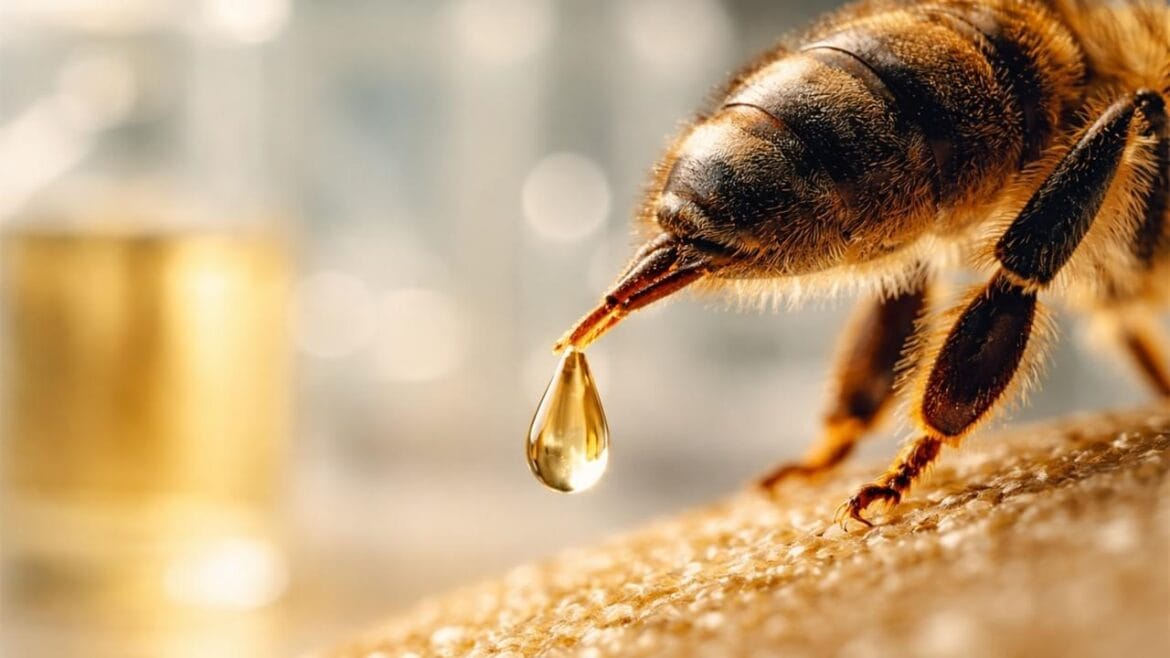
Bee venom is often misunderstood. The word “venom” naturally sounds dangerous, yet this remarkable natural substance has been studied and used by humans for thousands of years. Today, bee venom is attracting attention in fields ranging from skincare and medicine to biotechnology and agriculture. You may have seen bee venom mentioned in luxury anti-aging creams, traditional

🌿 Modern immune health is no longer about pushing the immune system harder—it’s about keeping it balanced. This shift has drawn attention to bee venom immune health, a research area exploring how nature regulates inflammation without suppressing immunity. Bee venom is neither a simple stimulant nor a cure-all. Instead, it represents a sophisticated model of
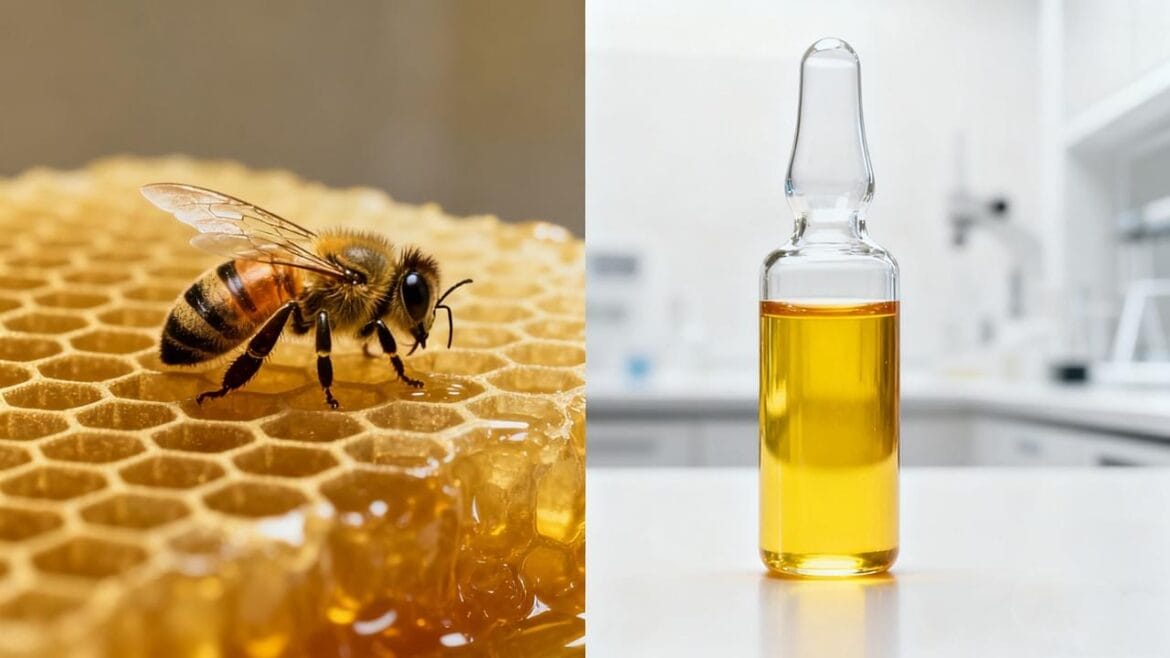
For most of us, a bee sting is a painful, unwelcome experience to be avoided at all costs. But what if we told you that the very substance that causes discomfort—bee venom—is now being utilized in a powerful, precise, and highly effective medical treatment? It’s true. The journey from painful, unpredictable stings to clinical precision
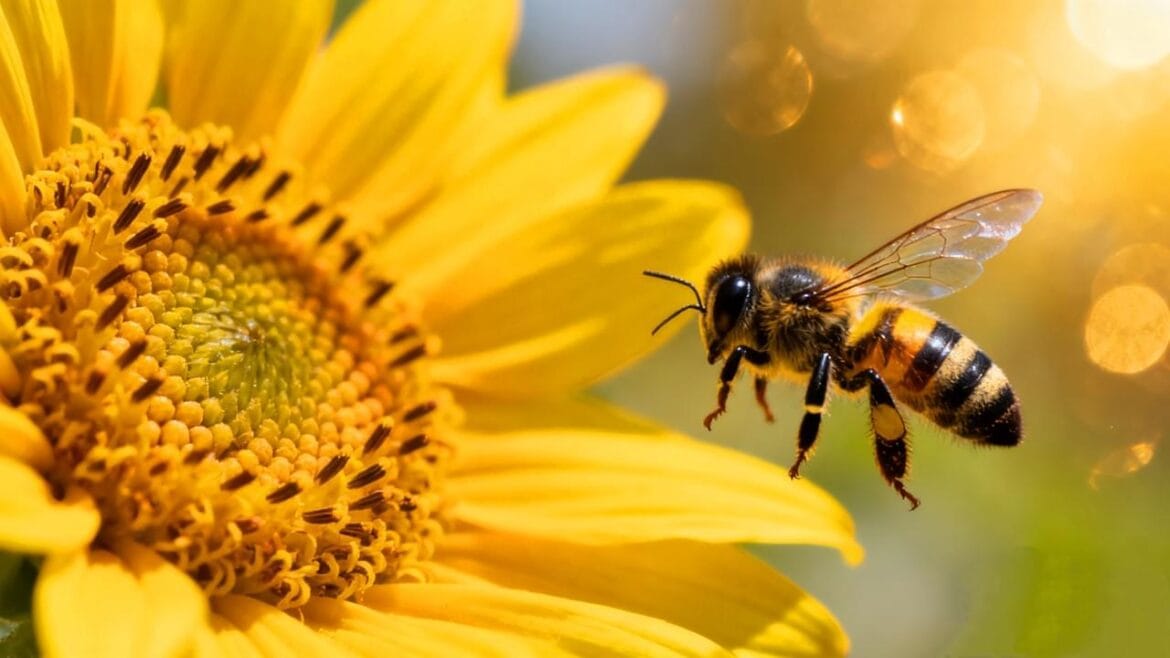
If you’re seeking a natural way to firm and revitalise your skin, the concept of bee venom collagen may intrigue you. In this post we dive into how bee venom acts as a natural collagen booster and what that means for skin elasticity. We’ll explore the science, benefits, how to choose products, and what to watch out
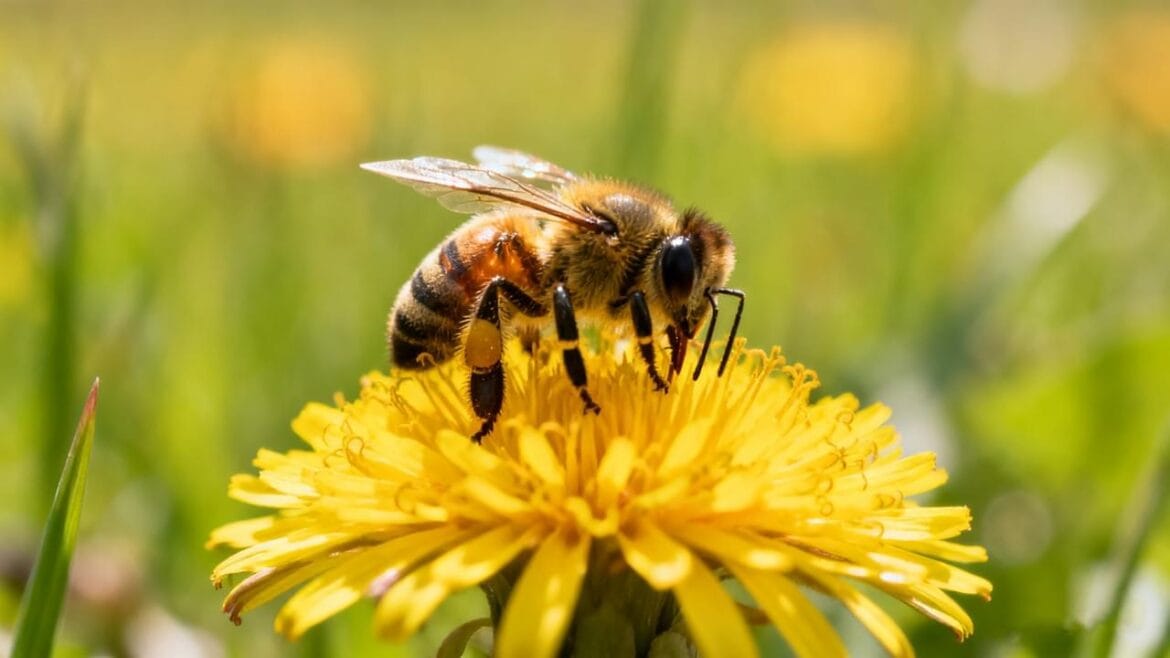
The field of bee venom therapy is experiencing a renaissance as interest in nature-based healing grows. In its simplest form, bee venom therapy involves the controlled use of honeybee venom to support health, relieve inflammation and stimulate regeneration. This blog explores the historical roots, current applications and future directions of this fascinating approach. Along the way
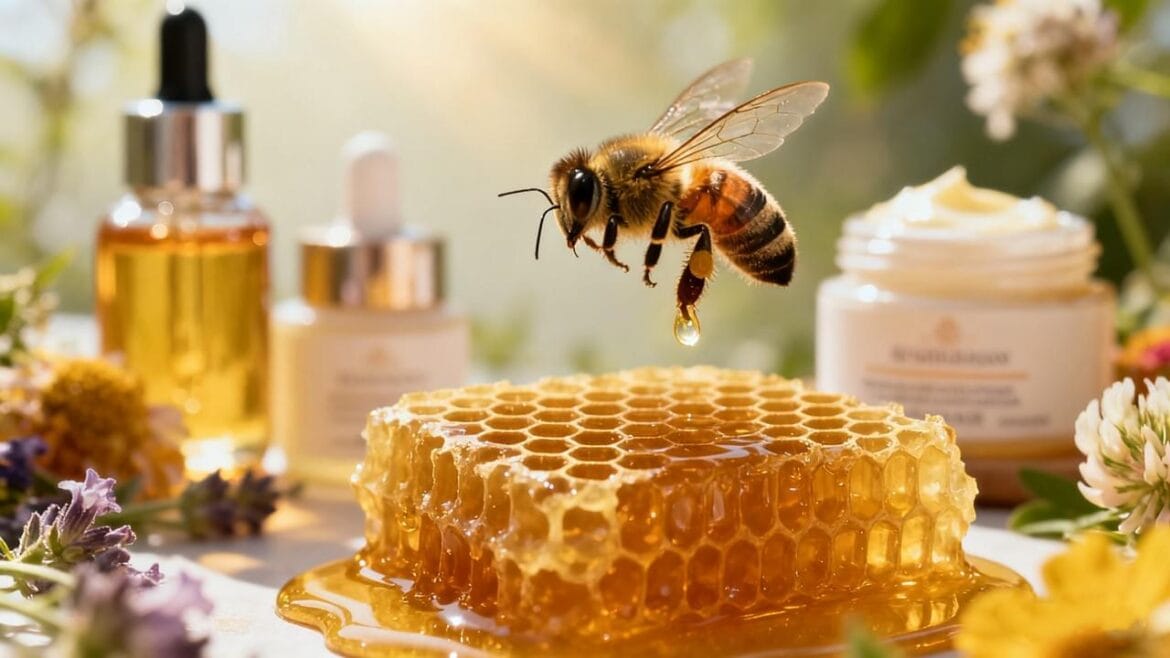
Nature never ceases to amaze — and bee venom is one of its most fascinating creations. Found within a honeybee’s sting, this potent natural bioactive ingredient is rich in peptides, enzymes, and amino acids that can transform both health and beauty. Today, scientists and skincare enthusiasts alike are exploring bee venom benefits ranging from anti-aging and inflammation control
- 1
- 2