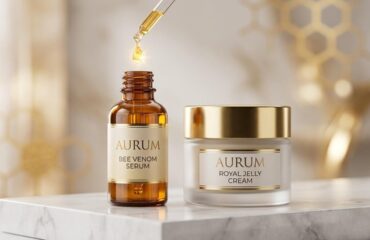
Bee venom products are gaining attention across skincare, medicine, and industrial applications—but choosing the right one isn’t as simple as it looks. From affordable creams to high-value raw materials, each category follows a completely different logic.
If you’ve ever felt unsure when buying, you’re not alone. This guide breaks down how to choose bee venom products with clarity, helping you avoid common pitfalls while focusing on safety, effectiveness, and real value. 🧠
🧴 Bee Venom Products for Skincare: Safety Comes First
✔️ Check Certification Before Anything Else
When selecting bee venom products for skincare, always verify regulatory compliance. Legitimate products should have official cosmetic registration or filing records.
👉 You can verify product registration through official databases such as:
https://www.nmpa.gov.cn
Avoid handmade or unverified products, especially those sold through informal channels. These often lack sterile production conditions and pose contamination risks.
✔️ Review Ingredients Carefully
Understanding the ingredient list is critical when choosing bee venom products.
Look for:
- Explicit labeling such as bee venom, melittin, or bee venom extract
- Placement in mid-to-upper ingredient list
- Clearly stated concentration (ideal range: 0.05%–0.3%)
🚫 If bee venom appears at the bottom of the list, it’s likely just a marketing claim.
✔️ Match Formulation to Skin Type
Not all bee venom skincare works the same way.
- Sensitive skin: choose alcohol-free, fragrance-free formulas with ceramides or hyaluronic acid
- Oily/acne skin: look for lightweight formulas with niacinamide or salicylic acid
- Anti-aging needs: combine with peptides, retinol, or vitamin C
⚠️ Avoid overly aggressive formulas that combine bee venom with strong acids or high-dose retinoids.
💊 Medical Bee Venom Products: Strictly Regulated
✔️ Follow Medical Guidance Only
Medical-grade bee venom products are not casual purchases. These include injections, ointments, and therapeutic patches.
They must:
- Be prescribed by a licensed physician
- Be used under supervision
- Never be self-administered
⚠️ Bee venom carries allergy risks, including severe reactions.
✔️ Verify Approval Numbers
Authentic pharmaceutical bee venom products must have official drug approval numbers.
You can check via:
https://www.nmpa.gov.cn/
If a product lacks registration, it should not be used—no matter how convincing the claims.
✔️ Buy Only Through Authorized Channels
Always purchase medical bee venom products from:
- Hospitals
- Licensed pharmacies
- Certified distributors
🚫 Avoid online sellers offering injectable products—these are often unsafe or counterfeit.
🏭 Raw Material Bee Venom Products: What Professionals Must Know
✔️ Focus on Purity and Activity
For B2B buyers, the value of bee venom products lies in measurable standards:
- Bee venom powder: melittin ≥ 40–50%
- Pure melittin: ≥ 98% purity (HPLC verified)
- Moisture ≤ 5%, no heavy metals or pathogens
👉 Suppliers should provide COA and third-party testing reports.
✔️ Understand Source and Production Method
There are two main types:
Natural bee venom:
- Collected via non-lethal electric stimulation
- Requires advanced purification (freeze-drying, filtration)
Recombinant melittin:
- Produced via synthetic biology fermentation
- Offers scalability and consistency
💡 For large-scale applications, recombinant sources are often more cost-effective.
✔️ Ensure Full Documentation
Depending on application, required documentation includes:
- COA and MSDS
- GMP certification
- Stability and toxicology reports
For deeper technical insight, you can explore research platforms like:
https://pubmed.ncbi.nlm.nih.gov
✔️ Evaluate Supply Stability
Reliable suppliers should offer:
- Stable production capacity
- Batch traceability
- Technical support
🧪 Always test samples before committing to bulk orders.
⚠️ Common Mistakes to Avoid
- Buying based on price alone
- Ignoring ingredient concentration
- Trusting exaggerated claims
- Skipping verification steps
A structured approach reduces risk significantly.
✅ Final Thoughts
Choosing bee venom products doesn’t have to be complicated—but it does require attention to detail.
- Skincare: prioritize safety and formulation
- Medical: follow strict regulatory guidance
- Raw materials: focus on purity, documentation, and supply
When you understand the standards behind each category, the decision becomes clearer—and far more reliable.
A careful approach today saves both cost and risk tomorrow. 💡