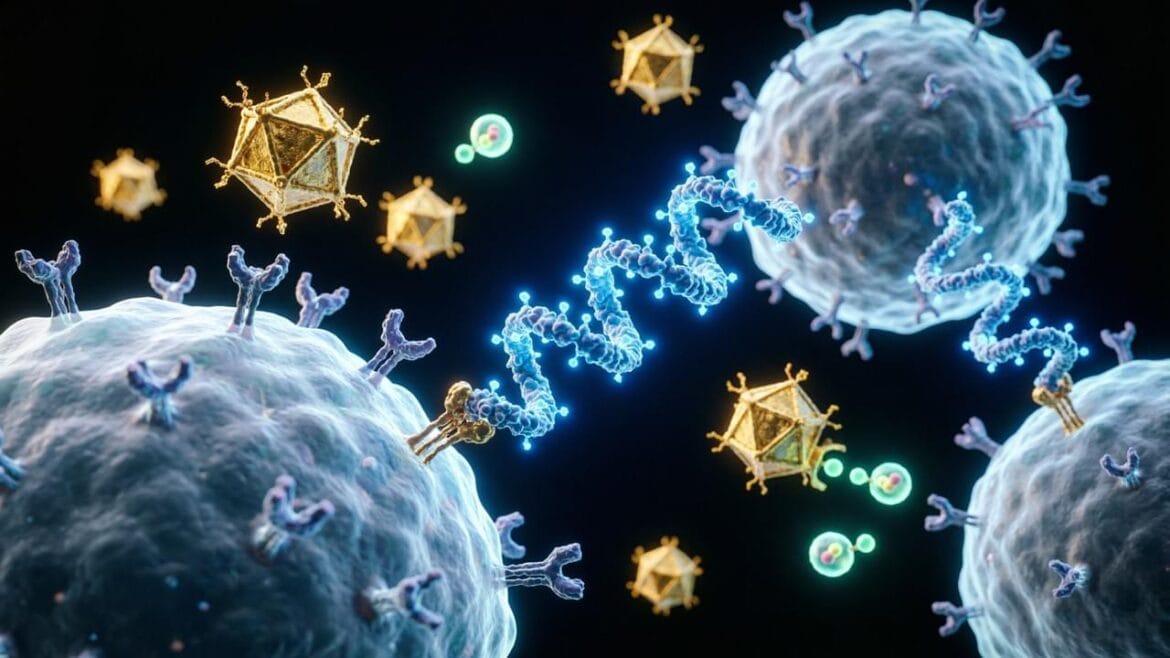
Bee venom medical uses are often overlooked. While most people associate bee venom with skincare trends, its real value lies in modern medicine. From autoimmune disease management to cancer research, this natural compound is gaining serious attention in clinical and scientific communities. Understanding bee venom medical uses means looking beyond marketing and focusing on its multi-target pharmacological

Bee venom skincare has taken over beauty trends in recent years. From luxury creams in New Zealand and Australia to Korean skin boosters, the ingredient is often marketed as a “natural Botox alternative.” But is it really that powerful—or just another overhyped skincare trend? If you’ve seen claims like “erase wrinkles in 7 days” or “replace
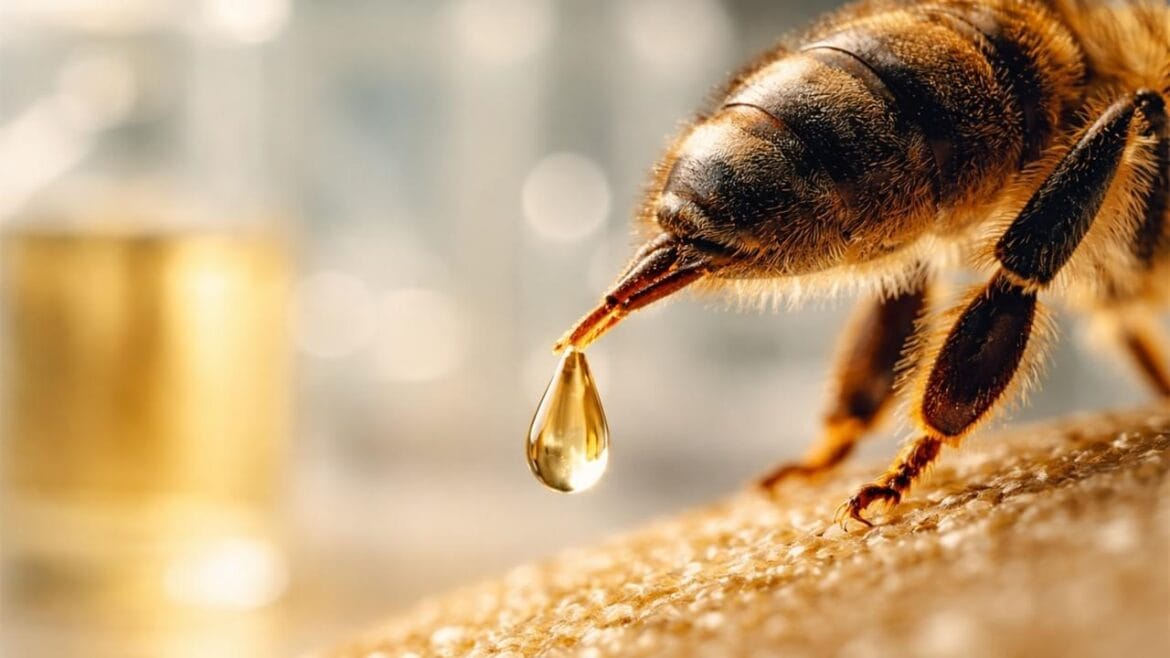
Bee venom is often misunderstood. The word “venom” naturally sounds dangerous, yet this remarkable natural substance has been studied and used by humans for thousands of years. Today, bee venom is attracting attention in fields ranging from skincare and medicine to biotechnology and agriculture. You may have seen bee venom mentioned in luxury anti-aging creams, traditional

If you’ve ever browsed a luxury beauty counter, you’ve likely spotted Bee Venom Skincare front and center—and for good reason. This once-niche ingredient has evolved into a must-have for discerning beauty lovers, with luxury brands crafting high-end formulations around its unique power. But what makes it so irreplaceable in the world of premium beauty? These 10