🌿 Modern immune health is no longer about pushing the immune system harder—it’s about keeping it balanced. This shift has drawn attention to bee venom immune health, a research area exploring how nature regulates inflammation without suppressing immunity. Bee venom is neither a simple stimulant nor a cure-all. Instead, it represents a sophisticated model of immune modulation worth understanding.
🧬 Bee Venom Immune Health Starts with Immune Balance
The immune system must defend against threats while avoiding self-damage. Chronic inflammation disrupts this balance and contributes to immune fatigue. Research into bee venom immune health shows that its compounds interact with immune pathways that regulate—not overstimulate—immune responses.
Unlike synthetic anti-inflammatory agents, bee venom engages multiple immune signals simultaneously, offering a more nuanced approach to immune equilibrium.
🧪 What Makes Bee Venom Biologically Active?
Bee venom is a complex natural secretion containing peptides and enzymes such as melittin, phospholipase A2, and apamin. These components are responsible for many bee venom anti-inflammatory effects studied in laboratory settings.
Melittin, in particular, has drawn attention for its ability to influence inflammatory signaling at the cellular level. This complexity explains why bee venom behaves differently from single-compound supplements.
🔥 Bee Venom Inflammation Balance: A Dual Mechanism
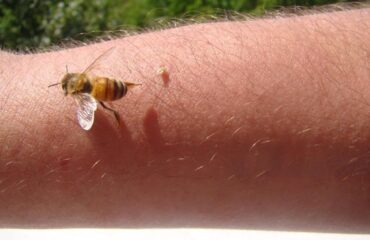
One of the most remarkable aspects of bee venom inflammation balance is its dual behavior. In uncontrolled exposure, it may trigger immune activation. However, in purified and measured forms, bee venom has been shown to reduce excessive inflammatory responses.
This duality reinforces a core principle of immune science: dosage and context determine biological outcomes. Bee venom is best understood as an immune regulator, not an immune booster.
🛡️ Immune Modulation with Bee Venom Explained
Immune modulation involves guiding immune responses rather than amplifying them. Studies exploring immune modulation with bee venom suggest its peptides may influence cytokine activity linked to inflammation.
By interacting with immune signaling pathways, bee venom may help reduce prolonged immune activation while preserving essential defense functions. This makes it a compelling subject in modern immunology research.
⚖️ Bee Venom Immune Health and Autoimmune Research
Autoimmune conditions arise when immune balance is lost. Experimental studies indicate that bee venom immune health research may contribute insights into restoring immune tolerance.
Certain venom components appear to influence regulatory immune cells, helping prevent immune overreaction. While not a medical treatment, this research direction highlights bee venom’s potential relevance in immune balance studies.
🌱 Oxidative Stress and Bee Venom Immune Health
Chronic inflammation often leads to oxidative stress, damaging immune cells over time. Research suggests some bee venom anti-inflammatory effects may indirectly reduce oxidative stress by calming excessive immune signaling.
This protective role may support long-term immune resilience, especially when paired with balanced nutrition and lifestyle choices.
⚠️ Safety, Ethics, and Responsible Use
Despite its promise, bee venom immune health research demands strict safety standards. Bee venom can cause severe allergic reactions and must never be used casually.
Responsible sourcing emphasizes:
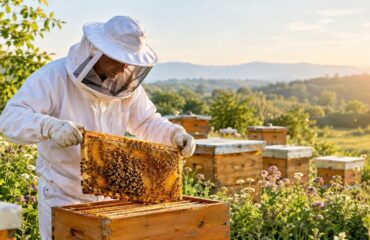
- Controlled, humane venom collection 🐝
- Laboratory-grade purification
- Transparent documentation
- Professional oversight
For authoritative guidance, see research summaries from the U.S. National Library of Medicine (https://pubmed.ncbi.nlm.nih.gov) and immune safety frameworks by the World Health Organization (https://www.who.int).
🌍 Why Bee Venom Immune Health Matters
Bee venom challenges the outdated idea that stronger immunity is always better. Instead, it demonstrates how nature prioritizes balance, precision, and regulation.
As interest in immune modulation grows, bee venom immune health research continues to inspire scientists and product developers seeking safer, more intelligent approaches to inflammation control.
✨ When studied responsibly, bee venom offers not hype—but insight—into how the immune system truly thrives.