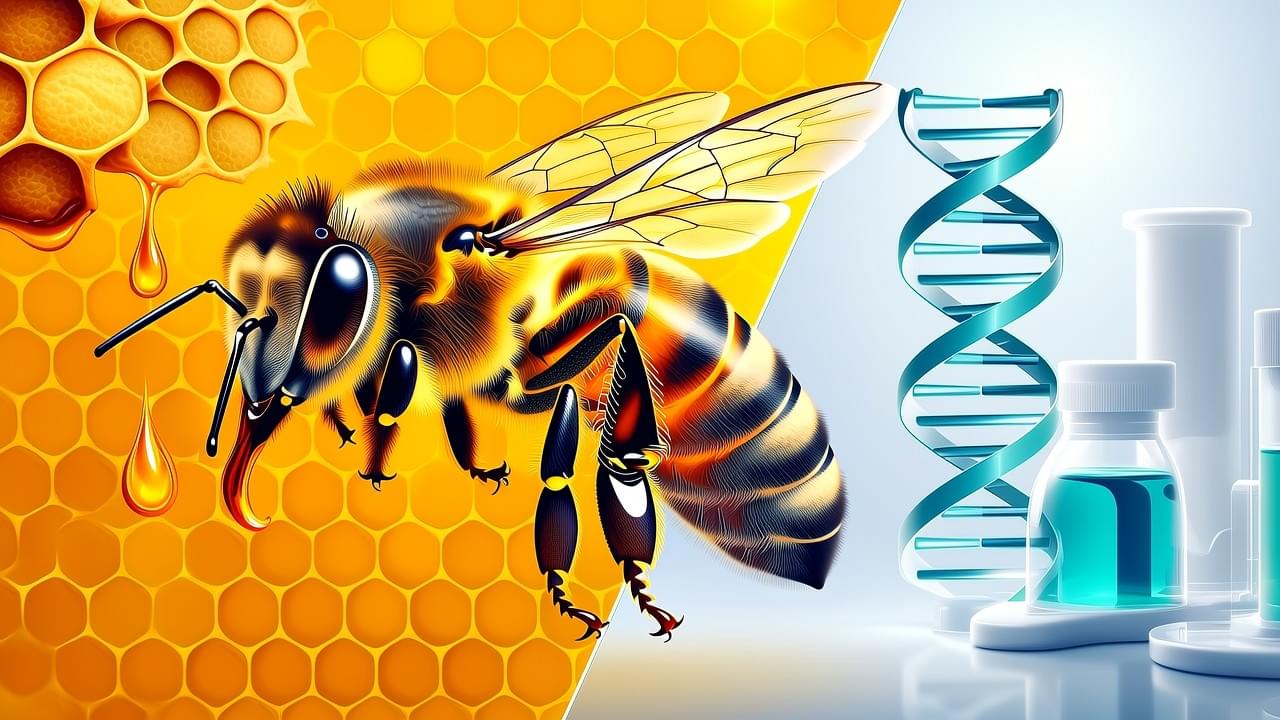
When most people encounter bees, they focus on honey production or fear getting stung. However, bee venom benefits extend far beyond simple defense mechanisms. This powerful natural substance has quietly revolutionized medicine for millennia, offering remarkable therapeutic potential that modern science is only beginning to fully understand.
How Bee Venom Works: Nature’s Sophisticated Defense System
Understanding bee venom benefits requires examining the honeybee’s stinger mechanism. This isn’t merely a simple needle – it’s a sophisticated biological weapon evolved from the insect’s reproductive system. Picture a microscopic harpoon featuring two barbed lancets alongside a harder protective sheath.
When worker bees defend their colony, those barbs anchor in skin while the entire venom sac detaches. This sacrifice continues pumping poison for up to 60 seconds, simultaneously releasing alarm pheromones calling reinforcements. Though individual bees perish, their final act strengthens collective hive defenses.
Bee Venom Production Timeline
Young bees carry minimal venom initially, but potency peaks between days 10-16 of adulthood. By day 20, production ceases entirely. This natural timeline explains why bee venom therapy practitioners specifically target mature bees – developed enough for maximum potency without depleted reserves.
3 Key Bee Venom Components That Create Powerful Health Benefits
Fresh bee venom appears as transparent, slightly yellow liquid with surprisingly pleasant aroma. Despite simple appearance, this substance contains over 55 enzymes plus dozens of peptides, proteins, and bioactive compounds that create remarkable bee venom benefits.
1. Melittin: The Primary Active Compound
Melittin comprises roughly 50% of venom’s dry weight. This powerful peptide disrupts cell membranes, causing characteristic sting pain. However, melittin offers significant therapeutic value through anti-coagulation properties and cholesterol-lowering effects.
2. Apamin: Neurological Applications
Apamin represents one of nature’s smallest neurotoxins, capable of crossing blood-brain barriers to affect central nervous system function. Scientists now synthesize apamin artificially, opening pathways for potential neurological treatments and bee venom pain relief applications.
3. MCD Peptide: Anti-Inflammatory Properties
MCD peptide triggers mast cell degranulation, producing anti-inflammatory responses similar to cobra venom compounds. This demonstrates how evolution creates similar therapeutic solutions through different biological pathways.
Ancient Origins of Bee Venom Medicine: 4,000 Years of Healing Wisdom
Bee venom therapy isn’t modern alternative medicine – it’s ancient practice spanning millennia. Egyptian papyri, Indian Ayurvedic texts, and Chinese traditional medicine documented therapeutic bee sting applications for arthritis, rheumatism, and chronic pain conditions.
Historical Documentation
Roman physician Galen described bee venom’s pain-relieving properties over 1,700 years ago. Ancient Chinese practitioners developed sophisticated techniques beyond live stings, creating “medicinal bee needles” combining dried stingers with complementary compounds.
Modern Apitherapy Techniques
Contemporary bee venom for arthritis treatments have refined ancient methods. Today’s practitioners use nature’s hypodermic needle system, carefully controlling sting numbers and placement. Single bee venom gets distributed across multiple injection sites, minimizing toxicity while maximizing therapeutic benefits.
Treatment works through multiple mechanisms: mechanical acupuncture point stimulation, localized warming from controlled inflammation, and complex pharmacological actions from venom compounds. Patients typically experience sensations similar to warm acupuncture needles, followed by manageable localized swelling.
Essential Bee Venom Safety Guidelines: Understanding Risks and Reactions
Like any potent therapeutic substance, achieving bee venom benefits requires respecting individual variations in response. Human reactions differ dramatically – some develop tolerance through repeated exposure while others become increasingly sensitive.
Toxicity Thresholds
Medical researchers estimate 200+ bee stings cause serious systemic toxicity in most adults, though individual physiology creates enormous variation. Documented cases include people surviving over 2,000 stings, while others experience life-threatening reactions from single stings.
Critical Warning Signs
Serious reactions include rapid swelling spread, breathing difficulties, nausea, and dizziness occurring within 20-30 minutes post-exposure. These symptoms demand immediate medical attention, as anaphylactic shock proves fatal without prompt treatment.
Safe Practice Recommendations
Beginners should start with single sting applications under professional supervision. Those with known allergies should avoid bee venom therapy entirely. Emergency epinephrine should remain accessible during all treatments.
5 Emerging Medical Applications: The Future of Bee Venom Research
Contemporary medical researchers combine traditional knowledge with cutting-edge laboratory techniques, unlocking comprehensive bee venom benefits. Studies suggest these compounds might combat viral infections, support cancer treatments, and provide innovative autoimmune disorder approaches.
Anti-Inflammatory and Immune Modulation
Anti-inflammatory and immune-modulating properties show particular promise for natural pain management with bee venom. During an era where antibiotic resistance threatens modern medicine, natural compounds offer alternative treatment pathways.
Personalized Medicine Applications
Bee venom therapy exemplifies personalized medicine principles. Each treatment adapts to individual tolerance levels, specific conditions, and therapeutic objectives. This represents ancient wisdom meeting modern precision – exactly the integrated healthcare approach our future demands.
Research Frontiers
Current investigations explore bee venom applications in:
- Neurological disorders including multiple sclerosis
- Cancer treatment support through immune system enhancement
- Chronic pain management protocols
- Autoimmune condition therapeutic interventions
- Viral infection resistance building
As we confront growing 21st-century health challenges, some of our most powerful therapeutic allies may have been buzzing around us constantly, carrying medicine in tiny biological syringes, awaiting full appreciation of their remarkable healing gifts.
Embracing Nature’s Pharmaceutical Wisdom
The remarkable journey from ancient bee sting treatments to modern bee venom benefits research demonstrates how traditional wisdom often anticipates scientific discovery. While respecting safety protocols remains paramount, the therapeutic potential of bee venom continues expanding our understanding of natural medicine’s sophisticated capabilities.
Whether seeking bee venom for arthritis relief or exploring broader therapeutic applications, this ancient remedy offers hope for those pursuing natural healing alternatives. As research advances, bee venom therapy may well become mainstream medicine’s valuable complement, bridging millennia-old practices with contemporary healthcare innovation.